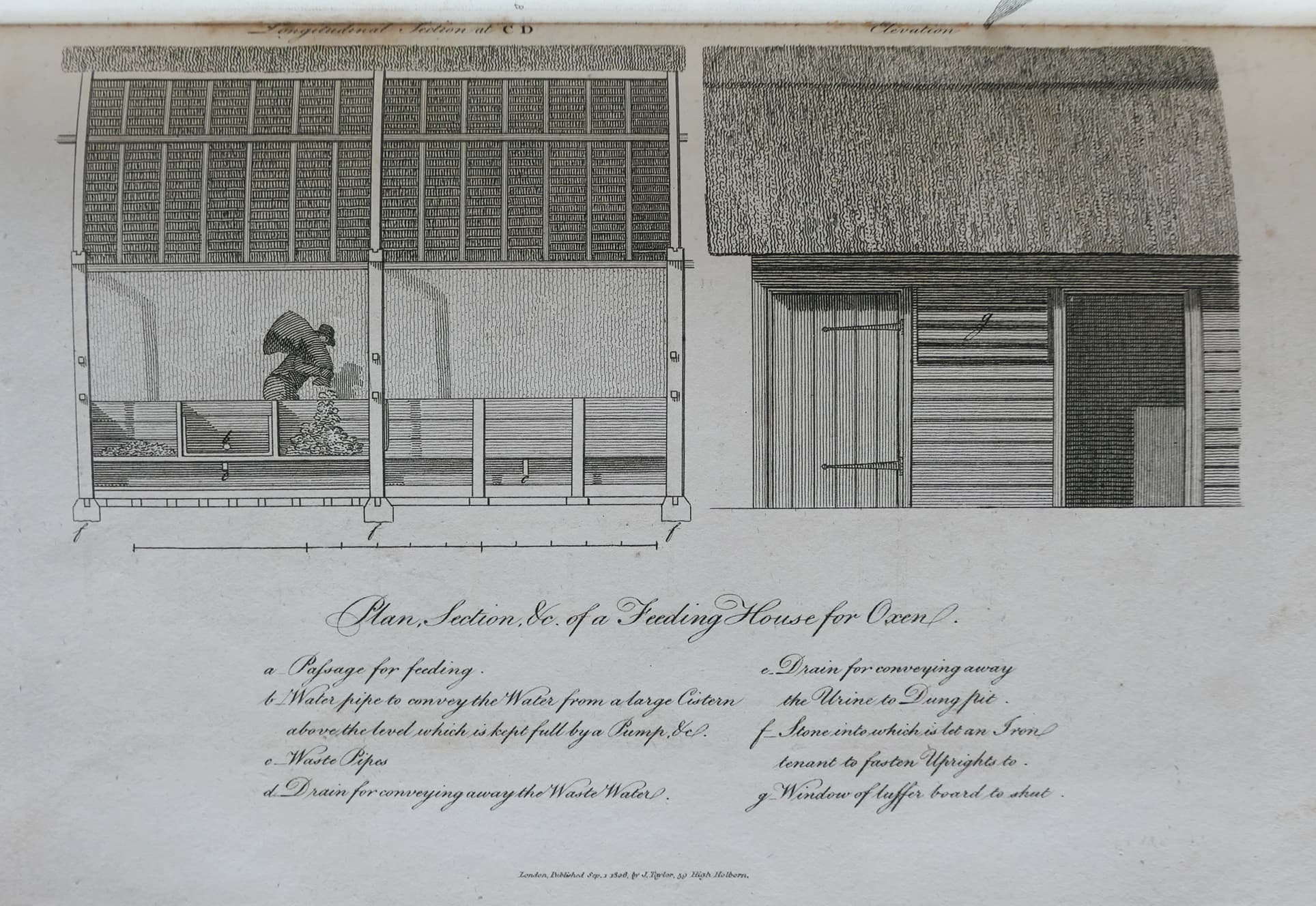
Call for applications: 1 PhD position (The architecture of zootechnics, ca. 1700–1800)
The Department of Architecture and Design at the Politecnico di Torino is recruiting the second (out of three) doctoral fellows within our research project.




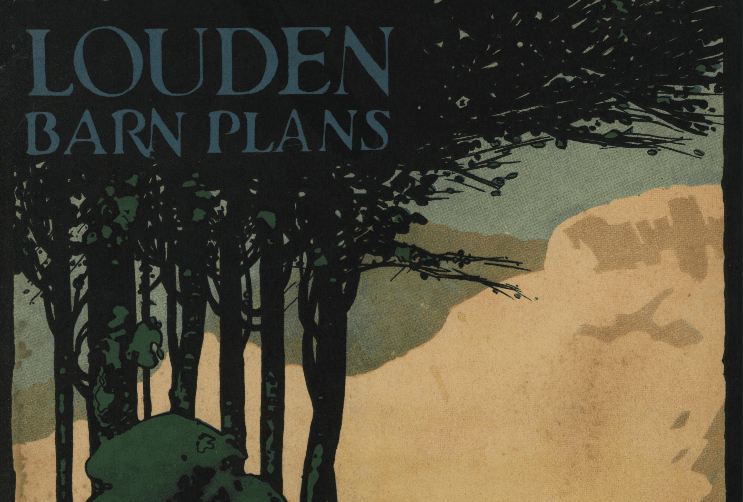
The Department of Architecture and Design at the Politecnico di Torino is recruiting the second (out of three) doctoral fellows within our research project.
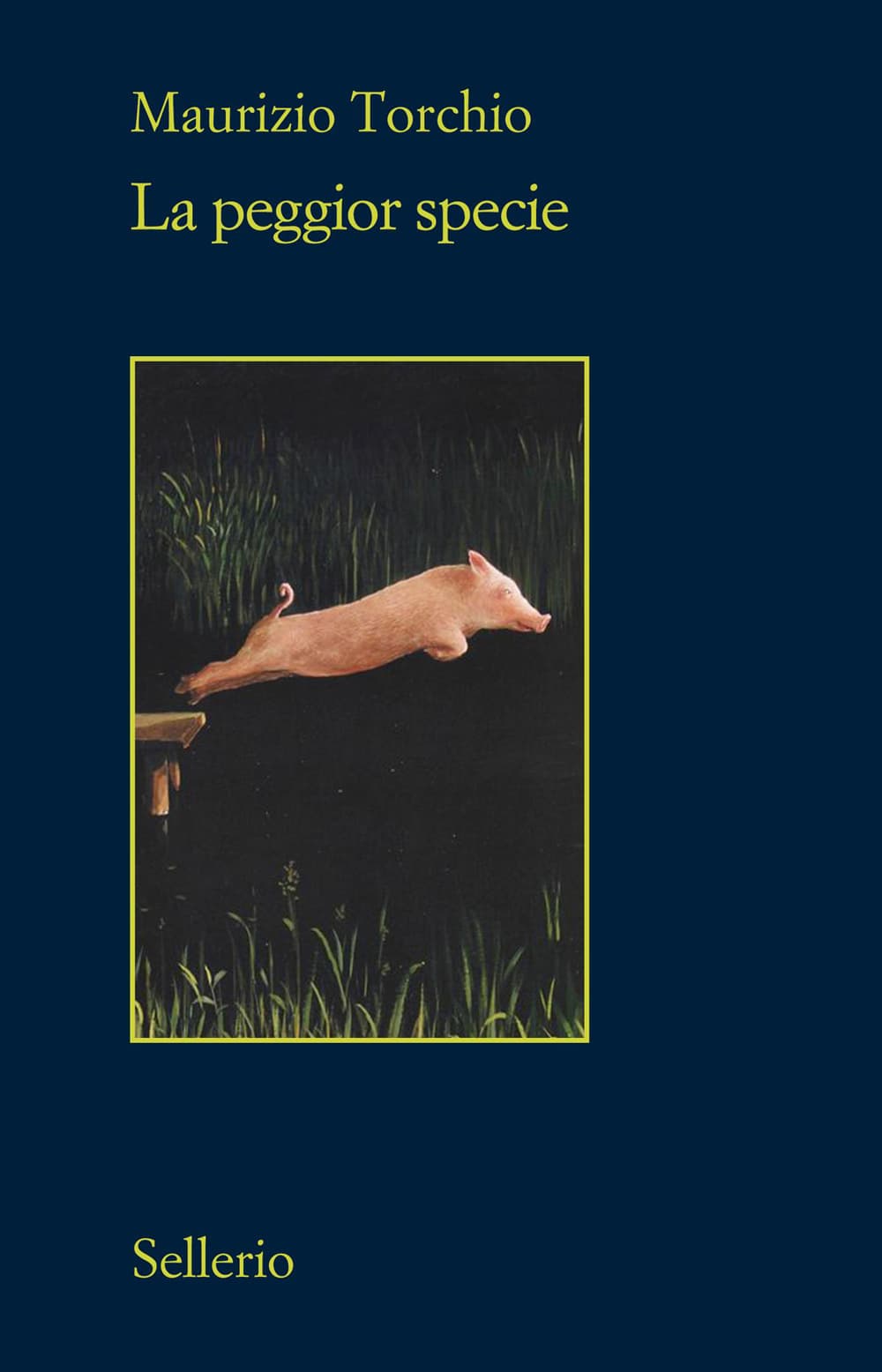
Come raccontare il lavoro, il paesaggio e le infrastrutture dell’allevamento intensivo tramite un testo di narrativa? Lo scrittore torinese Maurizio Torchio lo ha fatto col suo ultimo romanzo "La peggior specie" (Sellerio, 2026) – una storia d’indagine che intreccia allevatori, attivisti per i diritti degli animali, rifugi antispecisti, borghi e retoriche della gastronomia. Sullo sfondo, il paesaggio agro-industriale ed estetizzato delle Langhe. Durante l’incontro parleremo del libro e della sua costruzione insieme all’autore. Come in un gruppo di lettura, l’invito è quello di arrivare con il romanzo letto, oppure no: ma faremo spoiler.
In this seminar we will survey how recent scholarship on food and philosophy can shed light on how to approach the study of animal farms today. Particular attention will be given to questions of linguistic justice, scale and justice, transitional justice, ethics of technology, and imagination.
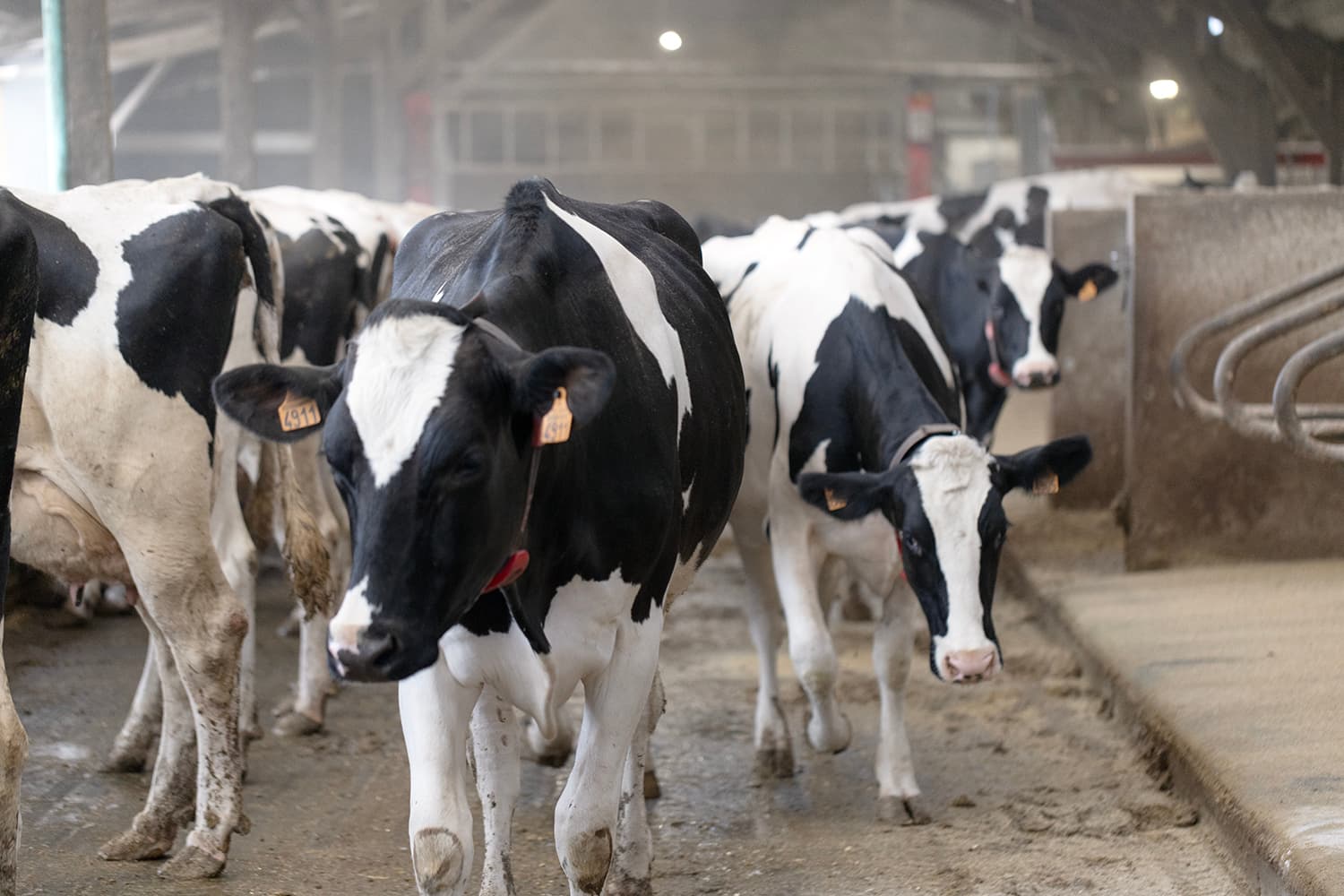
Existing research on the socio-cultural foundations of industrial farming has often taken an anthropocentric perspective, emphasising industrial regulation and production while overlooking the sensory experiences and lived rhythms of cows and humans in daily practice. To address this gap, the author adopts a multisensory, post-structuralist approach. The analysis reveals that rhythms of milking and care are neither purely biological nor mechanistic. They emerge through co-constitutions of humans, cows, and technologies, and are perceived and negotiated through sound, movement, touch, smell, and sight. Industrial farm infrastructures, technologies, and materials actively shape these rhythms, coordinating practices and structuring daily management.
The event marks the official kick-off of our research project!
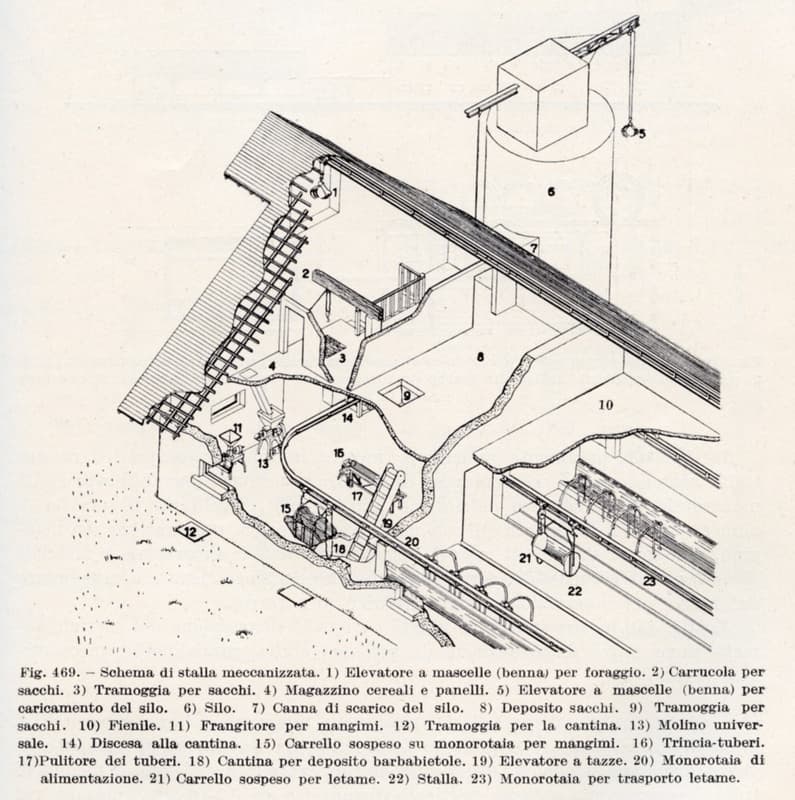
A partire dall’immediato secondo dopoguerra, anche nelle aree italiane a più spiccata vocazione zootecnica iniziarono ad affermarsi con crescente intensità nuovi metodi di allevamento di tipo industriale. La relazione intende ricostruire i principali passaggi economici, politici e sociali che accompagnarono la transizione dai sistemi zootecnici tradizionali alle moderne forme di allevamento intensivo, analizzandone le trasformazioni nelle strutture produttive, nelle modalità di gestione e nell’organizzazione del lavoro. L’obiettivo è mettere in luce come la trasformazione dell’allevamento non abbia riguardato soltanto le tecniche e i modelli produttivi, ma abbia investito più profondamente i rapporti tra lavoro, impresa, territorio e ambiente nell’Italia del secondo dopoguerra.
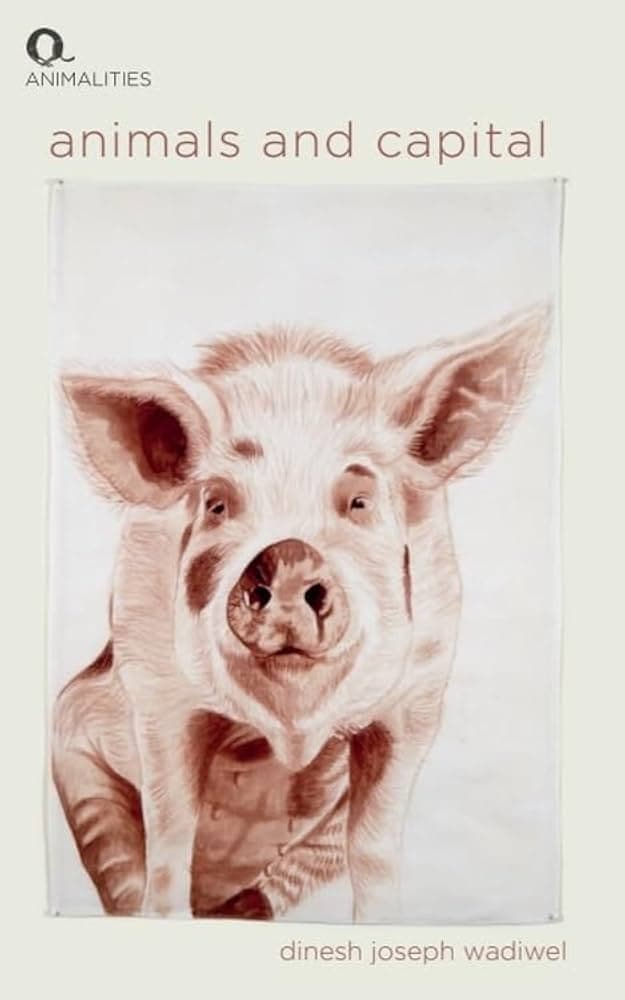
An informal book club dedicated to Dinesh Wadiwel’s main texts, "The War Against Animals" (Brill-Rodopi, 2015) and "Animals and Capital" (Edinburgh University Press, 2023), bringing together researchers from different backgrounds to engage in conversation and exchange perspectives.

This postdoctoral position will contribute to the research from the standpoint of the following fields: critical animal studies, animal history, the philosophy and history of science and technologies, the philosophy and history of ideas. What has been the role of animals in the making of livestock architecture? The research conducted by the selected postdoctoral fellow engages with the idea that the history of industrial farming is preeminently a history of animals who have co-shaped the way architecture was designed and built. Through the lens the aforementioned fields, the postdoctoral candidate will influence the research of the team with perspectives that strive to analyze the agency of animal bodies in the design of factory farming, as well as in the different tools used to restrict and contain them—such as cages, fences, etc. A special attention will be given to the history of zootechnics and the technological materiality of what can be defined as zootechnical architecture.
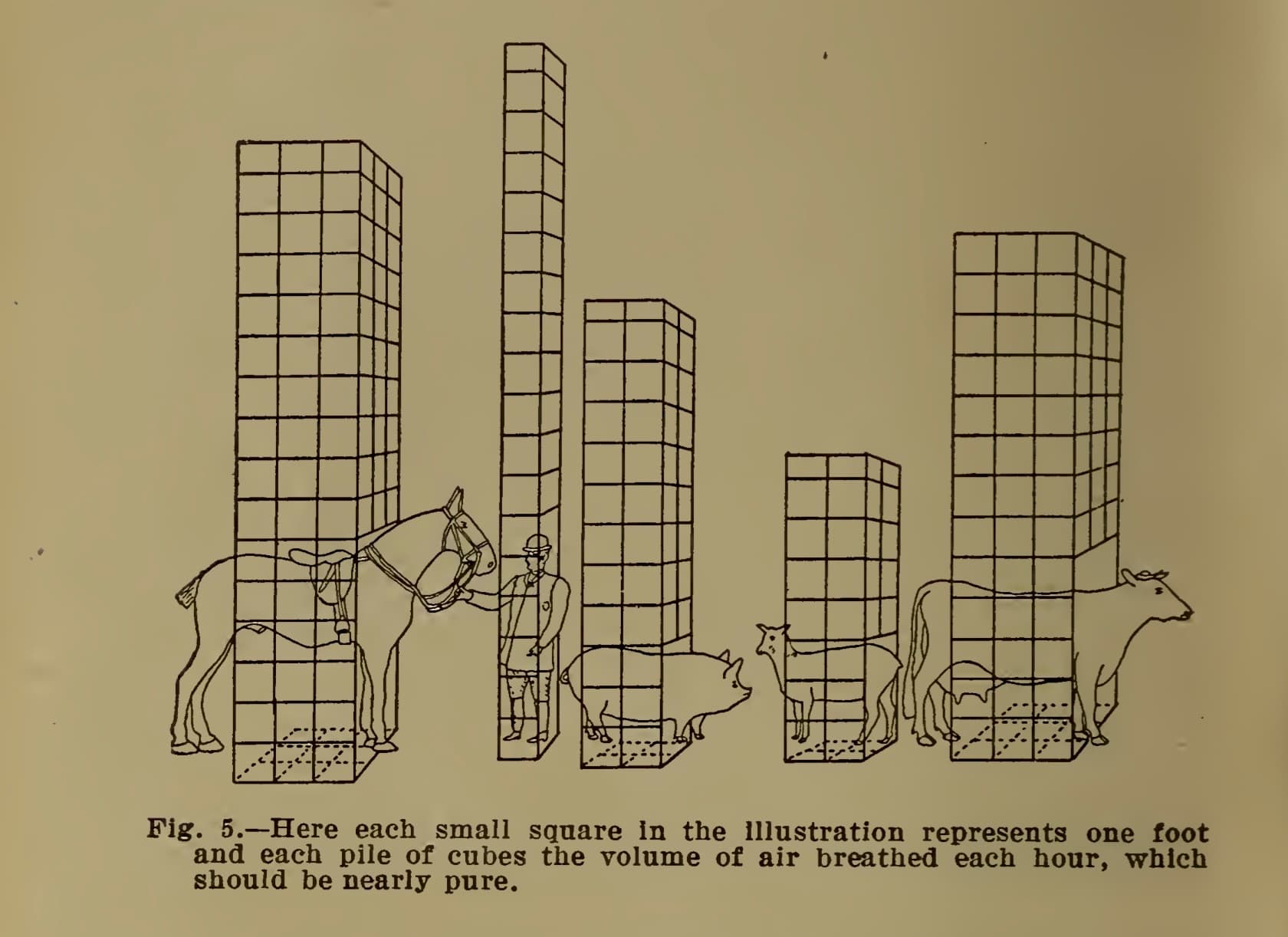
With this session we aim at increasing our knowledge and awareness on animal farming, in order to promote a deeper understanding of the Anthropocene and its alternative definitions – most notably, the Thanatocene, or the era of massive global death (Bonneuil/Fressoz 2016). If the future is closely dependent on our capacity of historical analysis, research into the history of industrial farming may suggest new modes of positive and responsible coexistence and allow the architecture discipline to participate in the search for more livable other worlds.

La lezione riflette sul ruolo storico dell'architettura nel plasmare le relazioni di potere tra umani e animali, mettendo in luce i limiti degli approcci multispecie contemporanei che includono gli animali nel progetto senza interrogare le radici dell'antropocentrismo. Rileggendo la storia urbana dalla prospettiva animale, emerge come la città non abbia semplicemente escluso gli animali, ma li abbia incorporati in spazi di sfruttamento che ne invisibilizzano o spettacolarizzano i corpi, rimuovendo la percezione della violenza esercitata. La lezione propone infine i rifugi come spazi di trasformazione concreta delle relazioni socio-spaziali con gli animali, presentando Agripunk come un caso quasi unico: un ex-allevamento intensivo riconvertito in rifugio e spazio sociale antispecista.

What counts as a “factory farm”? How does this category travel across contexts and places and does it share the same meaning of allevamento intensivo in Italy? Taking these elementary questions as its starting point, this talk explores the ways in which the category of the “factory farm” is navigated, evaluated, and categorized by public health veterinarians in Northern Italy enlisted to verify and manage the compliance of biosecurity, welfare, and food safety standards codified in European and Italian legislation.

Southern Italy is now a glamorous tourist destinations, but was long portrayed as a place of disease, uncleanliness, and barbarity. This narrative study shows how sanitation and its metaphors were constitutive of Italy’s internal colonialism, and how the notion of a pathological “south” opposed to a functional “north” persists there just as elsewhere. Terra Infecta is a counterhistory of the urban and rural landscapes of Italy. It charts the disappearance of the Venetian wetlands, histories of urban renewal and displacement in Naples and Matera, and protocols of containment in Milan during Covid-19. It is at once a critique of modern hygiene, and a collection of revelatory moments of community, healing, and resistance.
The Department of Architecture and Design at the Politecnico di Torino is recruiting the first (out of three) doctoral fellow within our research project.

Symposium organized by Andres Lepik and Andjelka Badnjar for the opening of the "Convivium" exhibition, with a panel on FARMS: On the material ecosystem of global cattle.

Some reflections on zootechnical architecture within the Critical Animal Studies Seminar by Federica Timeto.

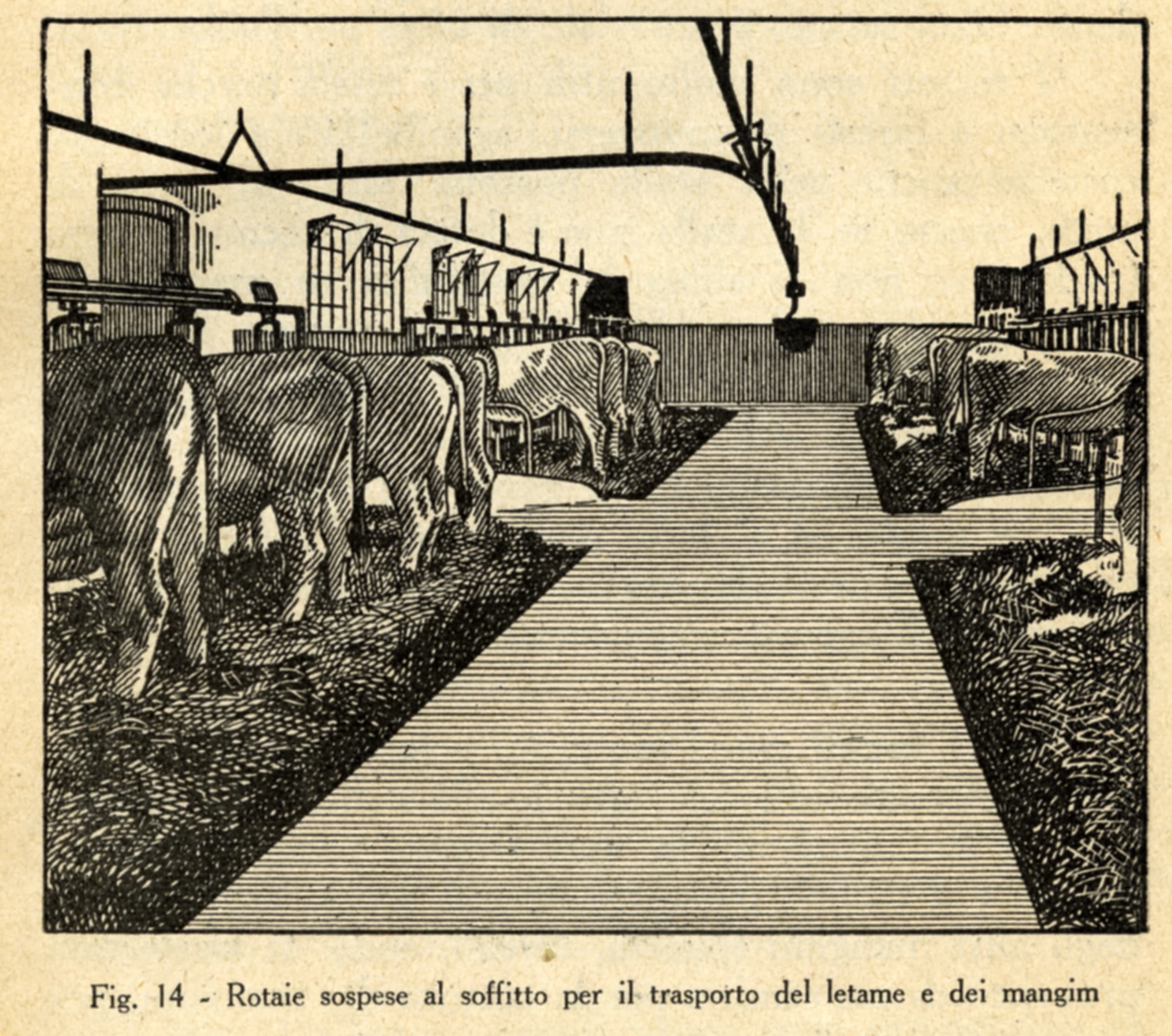
Architetture per l'allevamento dei bovini da latte nell'Italia fascista. Lecture at OFFISS, Officina di Storia delle Scienze, University of Bologna.